The Power Hungry Internet: Why AI's Real Bottleneck Isn't Compute
The conversation about AI has been dominated by chips and models. The more interesting constraint is a lot less glamorous it's the electricity bill

Everyone is watching Nvidia. Fewer people are watching the utility companies quietly becoming some of the most consequential businesses in the AI story.
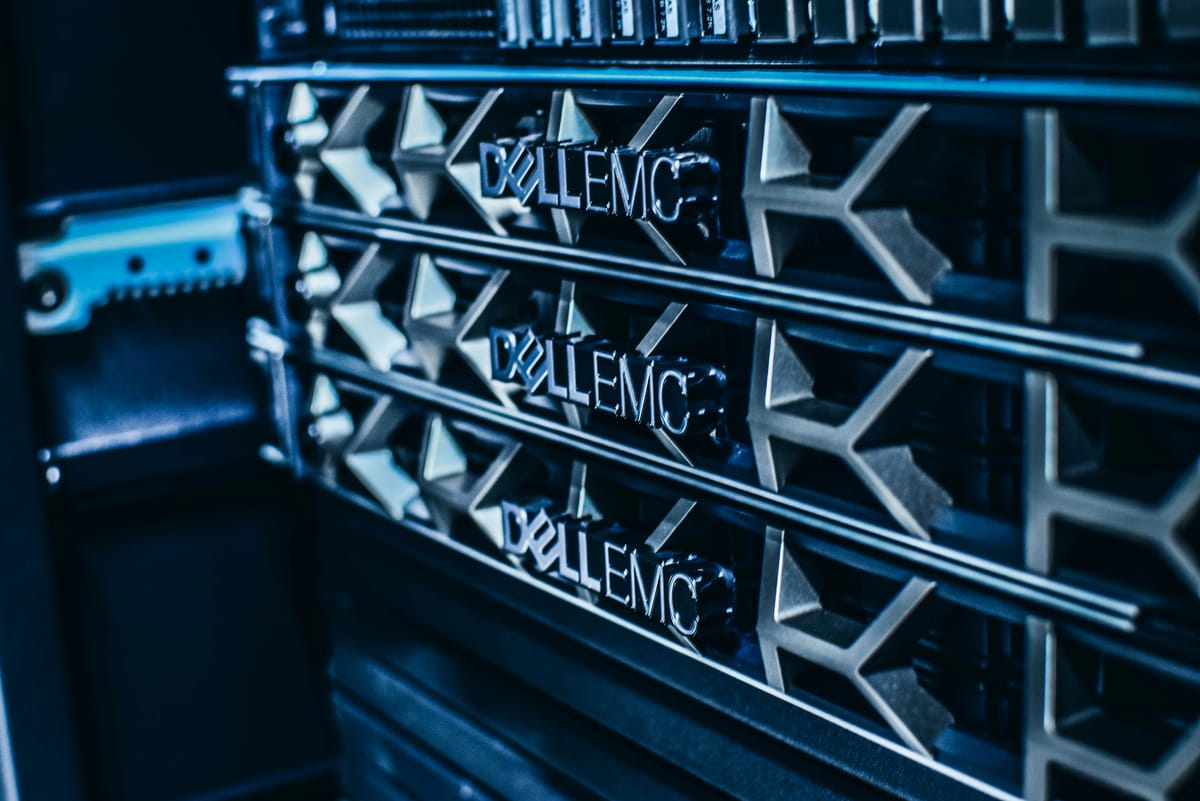
Here is the part that doesn't make the headlines often enough: training and running large AI models requires enormous, sustained amounts of electricity. A single data centre can consume as much power as a small city. And as hyperscalers race to build more of them — faster, bigger, everywhere — the constraint isn't semiconductors anymore. It's megawatts.
This is the AI/utility connection that most market commentary skips over. The investment thesis in artificial intelligence has been told almost entirely through the lens of software and chips. But infrastructure — specifically power infrastructure — is quietly becoming the binding constraint on how fast this buildout can actually happen.
The numbers are not subtle
Data centre power demand in the United States is projected to roughly double by the end of the decade. In the UK and Europe, grid operators are already flagging capacity concerns. In some markets, planning permission for new data centres is being held up not by regulators, but by the simple unavailability of grid connections.
Microsoft, Google, and Amazon are not blind to this. Each has made significant moves into long-term power purchase agreements, nuclear energy commitments, and direct investment in grid infrastructure. These are not sustainability press releases. They are operational necessities.
What this means for markets
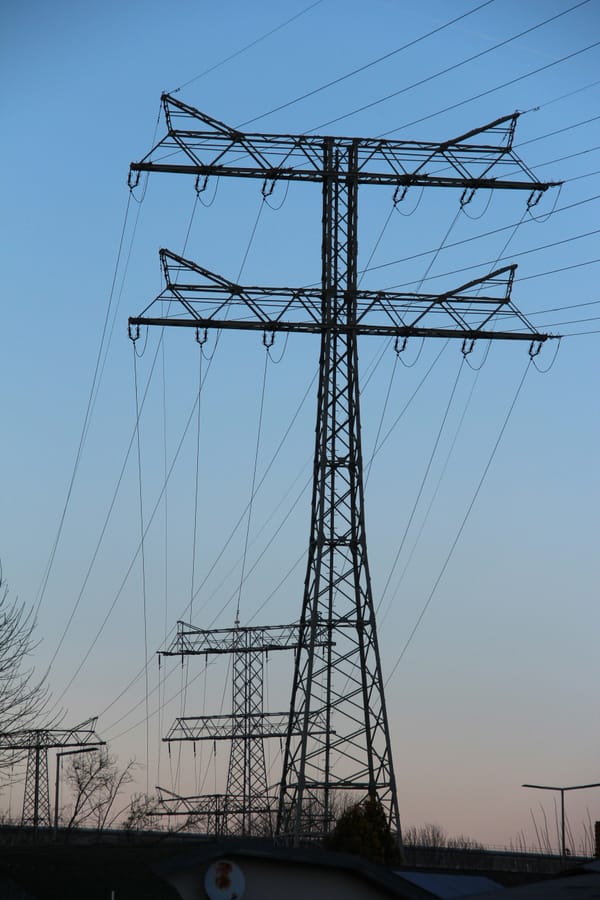
For investors, the implication is straightforward even if the opportunity is underappreciated. The companies building and operating power infrastructure — transmission, generation, grid management — are now functionally part of the AI supply chain. They just don't show up in the AI ETF.
Utilities have historically been boring by design. Regulated returns, slow growth, predictable cashflows. The repricing of that sector, if AI-driven power demand continues to accelerate, is a story still in its early chapters.
The broader point
Technology analysis tends to focus on what's new and fast-moving. The more useful discipline is identifying where the new and fast-moving thing runs into something old and slow — permitting timelines, grid upgrade cycles, planning bureaucracy. That friction is where the real constraints, and often the real opportunities, live.
The AI trade is not just a technology trade. It never really was.