
Governments Are Spending Big on Infrastructure. Investors Are Still Figuring Out What That Means.
The public commitment to infrastructure investment is real and substantial. Translating that into returns is a different, more complicated question.

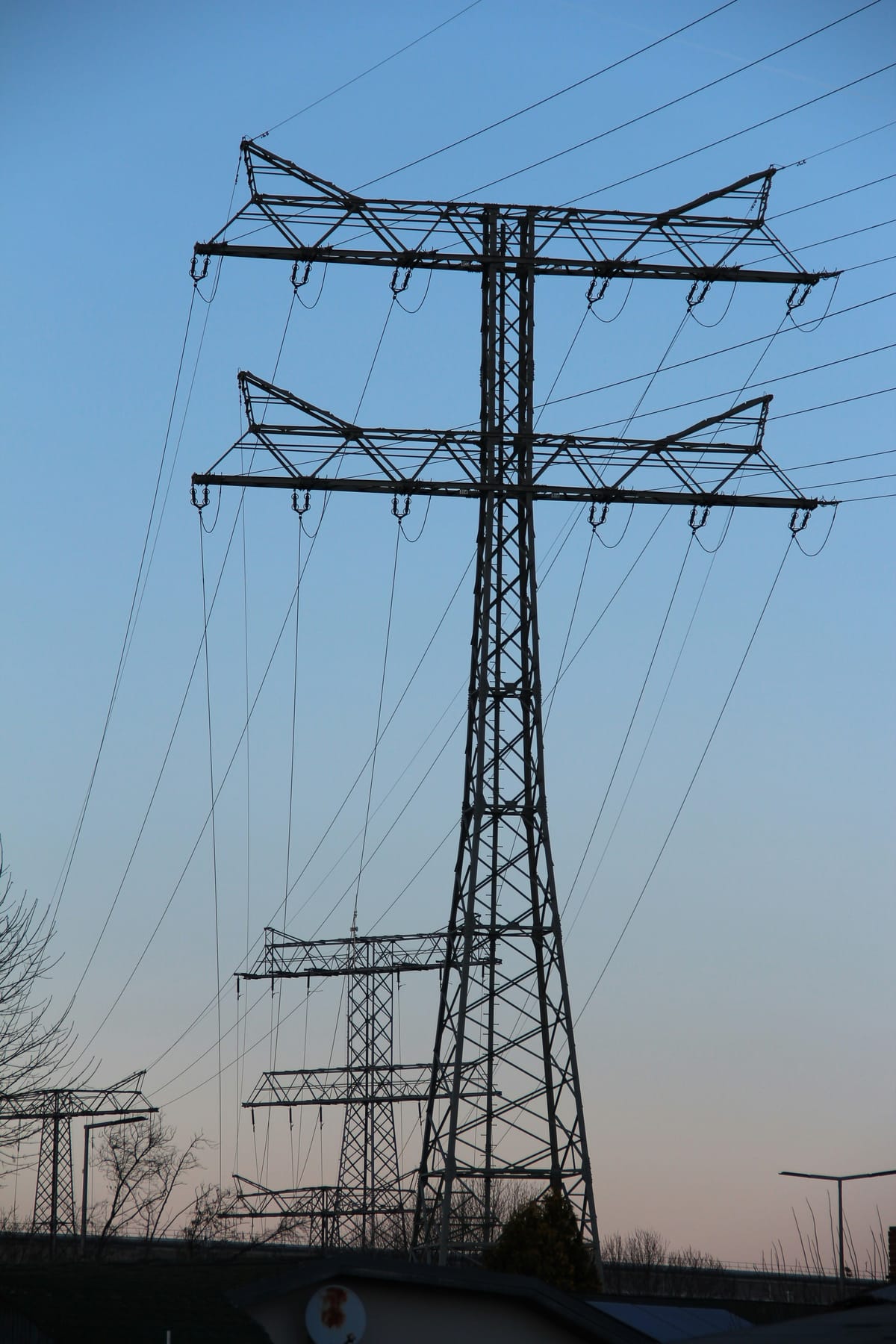
The political consensus around infrastructure investment has shifted in ways that would have seemed unlikely a decade ago. The US Inflation Reduction Act, the EU's various industrial policy vehicles, the UK's National Wealth Fund, and governments across the developed world have made large, public commitments to building things. Roads, ports, grids, broadband, clean energy facilities, semiconductor plants.
For investors, the natural question is: how do you make money from this?
It is a reasonable question with a less straightforward answer than the headline numbers suggest.
Public money does not automatically mean private returns
The scale of announced government infrastructure spending is genuinely significant. But announced and deployed are different things, and deployed government capital does not automatically create attractive opportunities for private investors.
In some cases, public spending crowds in private capital creating projects that would not be financeable without government support, and structuring them in ways that offer reasonable risk-adjusted returns to private participants. In other cases, public spending crowds out private capital or creates competitive dynamics that compress the returns available to private investors in adjacent areas.
Understanding which dynamic is at play requires getting into the details of specific programmes, in specific geographies, with specific contract structures. The macro headline — government is spending on infrastructure is the beginning of the analysis, not the conclusion.
The assets that are actually interesting
Within the infrastructure universe, a few categories stand out as particularly relevant to the current investment environment.
Digital infrastructure data centres, fibre networks, and towers sit at the intersection of infrastructure's traditional characteristics (long-duration, contracted revenues, essential service) and the demand dynamics being driven by AI and the broader digitisation of the economy. It is not cheap, but the demand case is more visible than in most infrastructure subsectors.
Energy transition infrastructure grid upgrades, storage, transmission have the tailwind of policy support and genuine demand necessity, but also face execution risk, regulatory complexity, and, in some markets, a significant gap between announced ambition and actual delivery timeline.
Traditional infrastructure transport, water, and regulated utilities remain relevant for investors focused on capital preservation and inflation linkage, even if the growth story is more muted.
The honest framing
Infrastructure as an asset class has attracted significant capital over the past decade, which has done what significant capital inflows tend to do: it has compressed returns in the most accessible parts of the market. The opportunity, as in most asset classes, has migrated toward complexity — more specialised assets, less liquid structures, and geographies that require more work to underwrite.
Governments' spending on infrastructure creates a context. It does not create a free lunch.