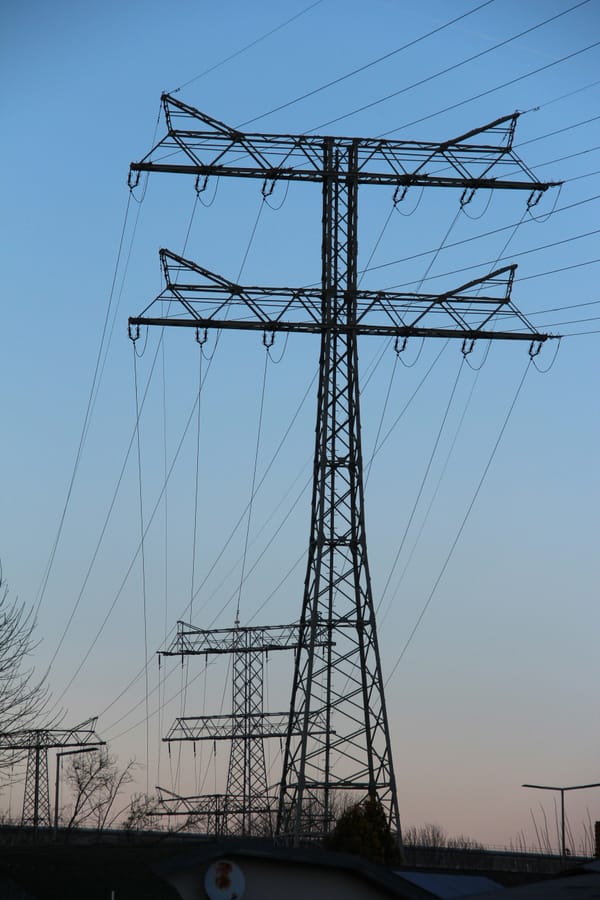
The Energy Transition Is Not a Switch. It's a Renovation.
Talking about the energy transition as if it's a clean swap from old to new misses the more complicated, more expensive, and more interesting reality.

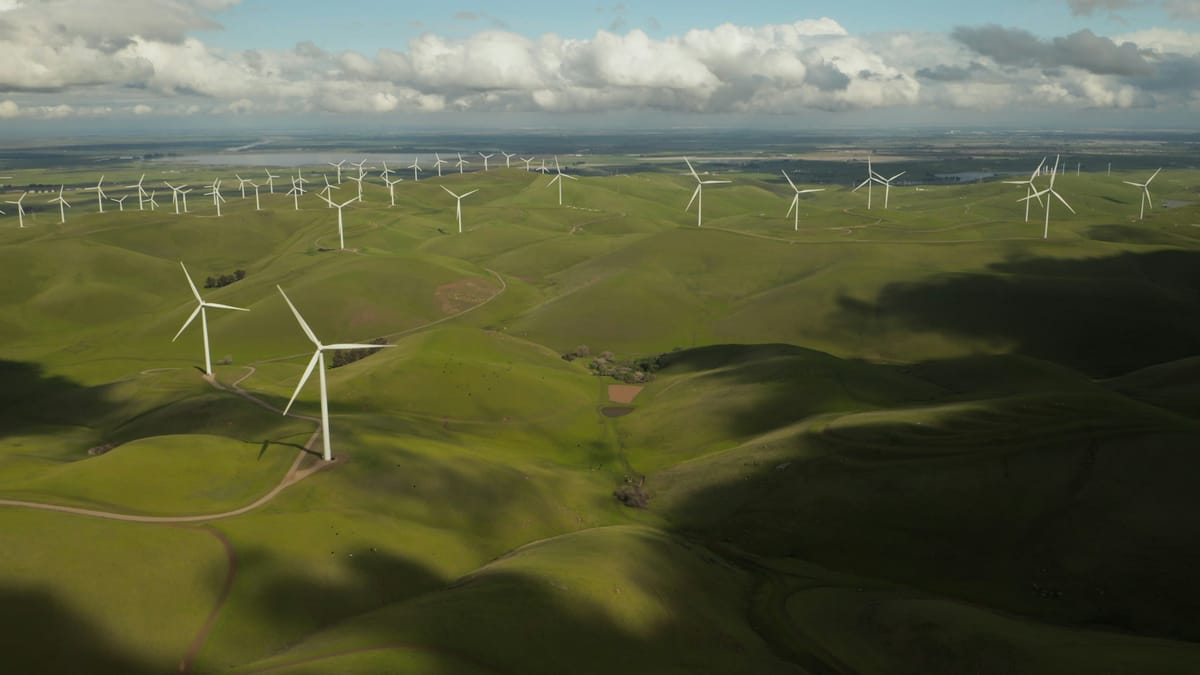
There is a version of the energy transition narrative that goes something like this: we build enough solar and wind, we retire the coal plants, and somewhere around 2050 everything is clean and sorted. It is a compelling story. It is also not how any of this actually works.
The energy transition is less a replacement project and more a renovation of the most complex infrastructure system ever built. And anyone who has renovated a house knows — it costs more than expected, takes longer than planned, and you cannot turn off the water while you redo the pipes.
The grid was not built for this
The electricity grids that power most developed economies were designed around a fundamentally different set of assumptions. Centralised generation, predictable demand, one-directional power flow. Renewable energy breaks all three.
Solar and wind are intermittent by nature. They generate power when the sun shines and the wind blows, not necessarily when people need it. Managing that variability at scale requires either storage still expensive and limited or a dramatically smarter grid infrastructure that can balance supply and demand in real time across much wider geographies.
Neither of those things exists at the required scale yet. Building them is the actual work of the transition, and it is unglamorous, capital-intensive, and politically complicated in ways that don't fit neatly into a net-zero announcement.
The investment gap is real
The International Energy Agency has consistently flagged that clean energy investment, while growing, remains below the levels required to meet stated climate targets. More importantly, the investment mix is skewed. Capital is flowing reasonably well into generation — solar buildout in particular has exceeded almost every forecast. It is flowing far more slowly into the transmission and distribution infrastructure needed to actually move that power where it's needed.
This is not a minor gap. It is arguably the central bottleneck of the entire transition.
Why this matters beyond energy policy
For markets, the renovation framing matters because it changes where the value is. The obvious plays — renewable developers, EV manufacturers, battery producers have attracted significant capital and, in many cases, significant valuation. The less obvious plays are in the boring middle: grid operators, transmission developers, and industrial companies building the equipment that makes modern grids function.
The energy transition will not be won on ambition. It will be won or lost, on execution. That tends to reward different kinds of companies than the ones currently getting most of the attention.